
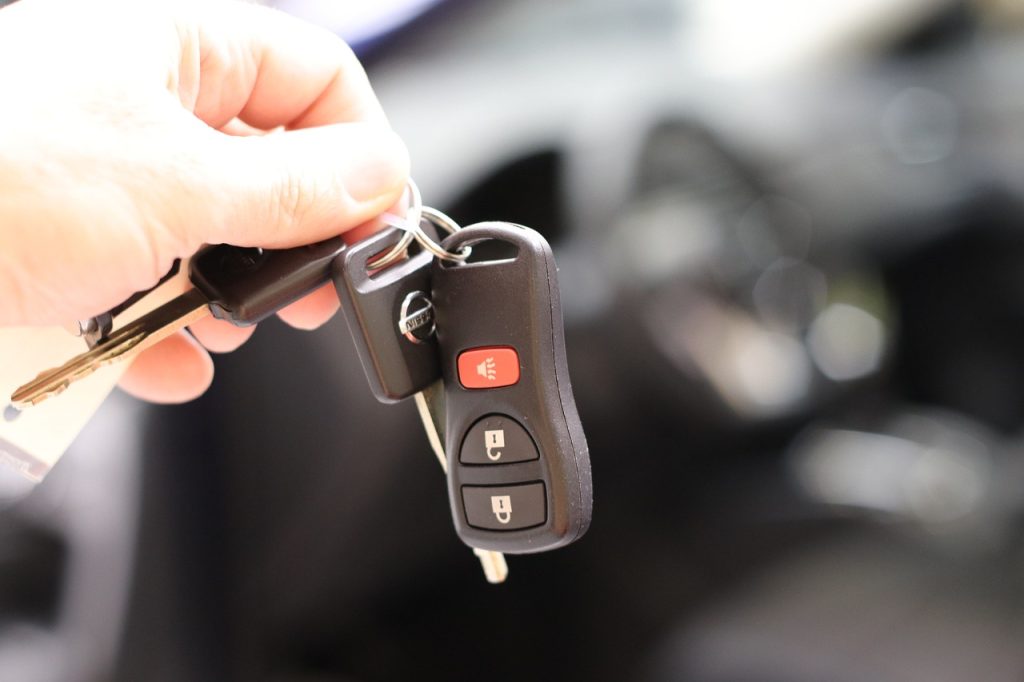
As we advance into 2024, the importance of robust vehicle security cannot be overstated. With technological advancements come new opportunities for both vehicle owners and thieves, making it essential to stay informed about the latest security practices. This guide provides comprehensive tips and strategies to help protect your car from theft and unauthorized access, ensuring peace of mind and safeguarding your investment.
1. Embrace Advanced Key Technologies
Smart Keys and Keyless Entry: Modern vehicles are increasingly equipped with smart keys and keyless entry systems. These systems enhance convenience but also introduce potential security risks. To maximize safety:
- Use the Key Fob’s Security Features: Ensure that your smart key fob is equipped with rolling code technology, which changes the signal each time the fob is used. This makes it harder for thieves to intercept and replicate the signal.
- Store Your Key Fob Securely: Avoid leaving your key fob in easily accessible places. Use a signal-blocking pouch to prevent signal interception from devices like relay attackers.
- Update Keyless Entry Systems: Some systems allow for updates or security patches. Check if your vehicle’s keyless entry system can be updated to protect against the latest threats.
Digital Keys: Many newer vehicles offer digital key options through smartphones. To secure digital keys:
- Use Strong Authentication: Ensure your smartphone uses strong authentication methods like biometrics or passwords to access the digital key.
- Manage Key Access: Use mobile apps to manage and monitor who has access to your vehicle. Most apps allow you to add or revoke key access remotely.
2. Enhance Physical Security Measures
Use a Steering Wheel Lock: Despite advancements in technology, a physical deterrent such as a steering wheel lock remains effective. These locks are visible and can deter thieves by adding an extra layer of difficulty.
Install a Car Alarm System: Modern alarm systems come with sophisticated features like motion sensors, shock sensors, and GPS tracking. Ensure your alarm system is professionally installed and properly calibrated to avoid false alarms.
Consider a GPS Tracking System: A GPS tracker can help you locate your vehicle if it’s stolen. Choose a tracker with real-time tracking capabilities and a reliable alert system to notify you of suspicious activity.
Secure Your Wheels: Locking wheel bolts can prevent thieves from stealing your wheels. These bolts are specially designed to require a unique key for removal, making them a valuable addition to your vehicle’s security.
3. Leverage Technology for Security
Regular Software Updates: Modern vehicles rely on complex software systems for various functions, including security. Regularly update your vehicle’s software to protect against vulnerabilities and take advantage of the latest security enhancements.
Use Vehicle Tracking Apps: Many vehicle manufacturers offer tracking apps that provide real-time location updates, security alerts, and remote control features. Ensure your app is updated and configured to notify you of any suspicious activity.
Enable Remote Monitoring: If your vehicle supports remote monitoring, use it to keep an eye on its status. Many systems allow you to check the vehicle’s location, lock or unlock it remotely, and receive notifications if the alarm is triggered.
4. Adopt Best Practices for Daily Use
Park Smart: Always park your vehicle in well-lit, high-traffic areas. When possible, use secure parking facilities with surveillance cameras. Avoid parking in isolated or poorly lit areas where thieves might operate with more cover.
Lock Your Vehicle: This may seem basic, but it’s crucial. Always lock your car doors and close the windows when you leave your vehicle, even if you’re only away for a short time.
Hide Valuables: Never leave valuables in plain sight inside your car. Store them in the trunk or take them with you. Visible valuables can attract thieves and increase the risk of break-ins.
Be Cautious with Spare Keys: If you use a spare key, avoid keeping it in obvious places like under the mat or in a magnetic box. Instead, keep spare keys in a secure location, such as a key safe at home.
5. Be Aware of Emerging Threats
Relay Attacks: Thieves use relay attacks to amplify the signal from a key fob and gain access to your vehicle. To protect against this:
- Use a Signal-Blocking Pouch: Store your key fob in a pouch that blocks signals when not in use.
- Avoid Leaving Keys Near Doors: Keep your key fob away from windows or doors to reduce the risk of signal interception.
Tech-Savvy Thieves: As vehicle technology advances, so do the methods used by thieves. Stay informed about the latest security threats and solutions:
- Monitor Security Forums and News: Follow automotive security forums and news sources to stay updated on emerging threats and recommended security measures.
- Consult with Professionals: If you have concerns about your vehicle’s security, consult with automotive security professionals who can provide tailored advice and solutions.
6. Educate Yourself and Others
Understand Your Vehicle’s Security Features: Familiarize yourself with your vehicle’s built-in security features and how to use them effectively. Read the owner’s manual and take advantage of manufacturer resources to learn about the best practices for your specific model.
Share Security Tips: If you’re part of a car owner’s club or community, share your knowledge about vehicle security. Educating others helps build a more aware and proactive community, which can reduce the overall risk of vehicle theft.
Conclusion
As vehicle security technology continues to evolve, so do the strategies and tools available to protect your car. In 2024, a multi-layered approach to security—combining advanced key technologies, physical deterrents, technological solutions, and best practices—is essential for safeguarding your vehicle. By staying informed and proactive, you can significantly reduce the risk of theft and ensure that your vehicle remains secure, no matter what challenges the future may bring.